Foot care basics: a simple at-home routine for softer, happier feet
Good foot care comes down to a short, regular routine: wash and dry your feet well, soak and gently smooth rough skin on the heels and balls, trim your nails straight across, and moisturise every day. Skip anything sharp for hard skin, and see a podiatrist for pain, a wound that will not heal, numbness, or a nail that looks infected.
Feet do a lot for us and ask for very little back. A short, regular routine keeps them soft, comfortable and nice to look at, and it takes far less time than people expect. This is the friendly, non-explicit version: what to do, what to skip, and when a sore foot is a reason to see a professional rather than reach for a file.
One thing to say up front. This is general information from someone who cares for feet, not medical advice, and I am not a podiatrist. For anything that hurts or worries you, there is a section near the end on when to get proper help.
Start with clean, dry feet
Warm water and a little mild soap is all you need. Wash between the toes, not just over the top, because that is where damp likes to sit. Then dry properly, and again get between each toe. Skin that stays wet between the toes is where a lot of small problems begin, so this one boring step earns its place.
If you like a soak, ten minutes in warm water softens everything and feels lovely after a long day. A little Epsom salt is nice but optional. Keep the water warm rather than hot.
Smooth rough skin gently
Heels and the balls of the feet build up hard skin because they carry your weight. A little is normal and even protective. When it gets thick or rough enough to catch on socks, a gentle smooth is all it needs.
Use a foot file or a pumice stone on damp skin, working lightly over the rough areas. Small, patient strokes beat hard scrubbing. The goal is smoother, not raw. Stop while there is still a healthy layer left.
Please leave the blades alone. A razor or a metal shaver is how people end up with a cut that gets infected, and it is genuinely easy to overdo. If hard skin is thick, splitting or sore, that is a job for a podiatrist rather than a bathroom drawer.
Trim nails so they stay comfortable
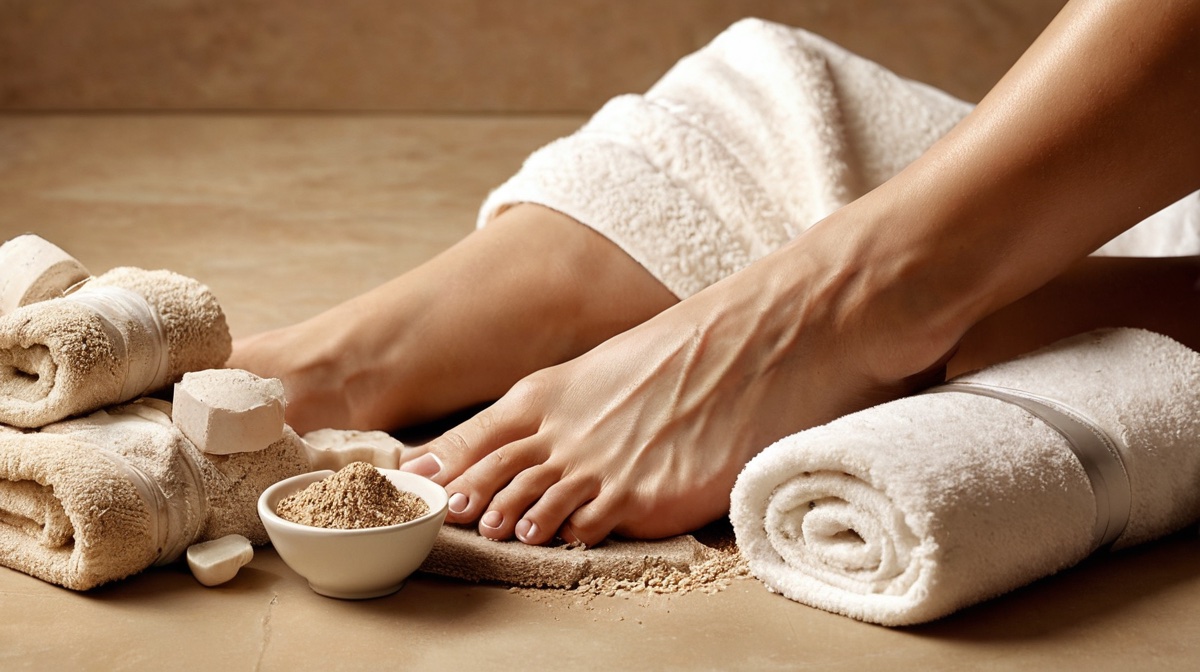
Trim toenails straight across and leave the corners a touch proud of the skin, then run a file over the edge to take off the sharpness. Cutting down into the corners is one of the main reasons toenails grow inward, which is painful and slow to settle. Do not cut them so short that the nail bed feels tender.
If a nail is thick, discoloured, or lifting away from the bed, do not force it. Those are ones to show a professional.
Moisturise every day
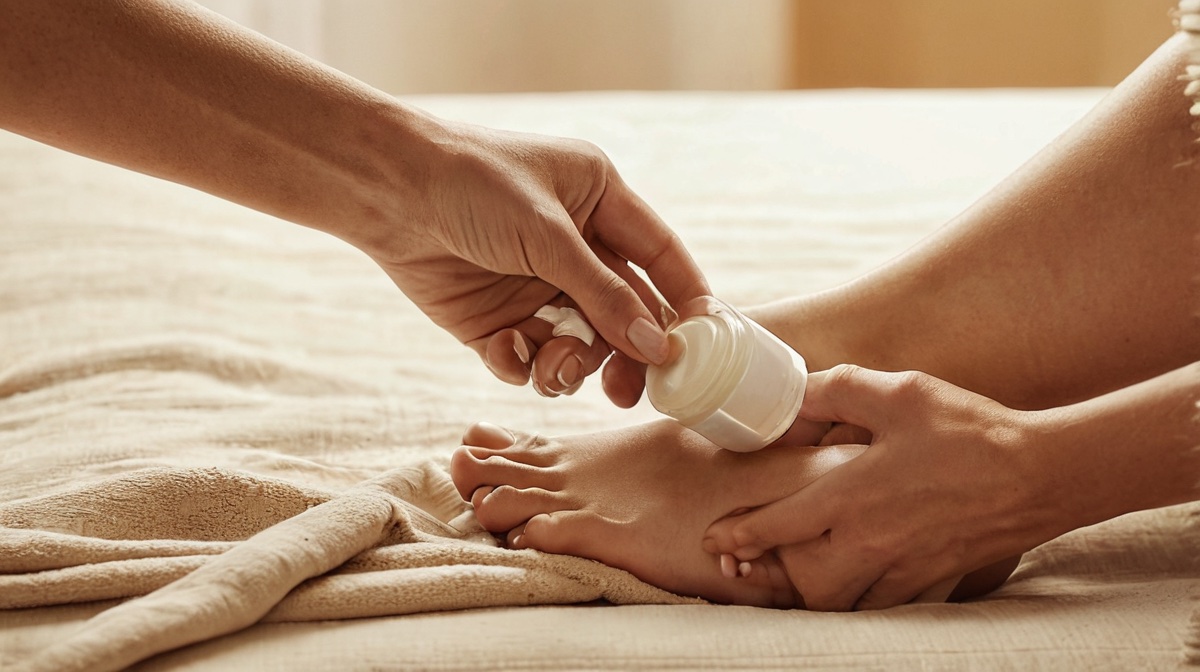
This is the habit that does the most for how feet look and feel. Moisturise once a day at least, and the best moment is right after a bath or shower while the skin is still slightly damp, because the cream holds the water in. A thicker foot cream or balm works better than a thin lotion.
One small tip. Go easy right between the toes, since heavy cream trapped there can keep the skin too damp. Everywhere else, be generous. Cracked heels in particular respond well to a rich balm and a pair of cotton socks overnight.
When to see a podiatrist or doctor
Most feet just want washing, smoothing and cream. Some signs, though, mean it is time to stop the home routine and get proper care. See a podiatrist or your doctor if you have foot pain that does not settle, a cut, blister or sore that will not heal, numbness or pins and needles, sudden swelling or redness that feels hot, or a toenail that looks infected or is growing inward.
If you have diabetes or any condition that affects circulation or sensation in your feet, be extra careful and get professional checks. Small issues can turn serious quietly, so it is much safer to ask early. Nothing on this page replaces that advice.
Keeping it up
None of this needs to be a big ritual. A daily wash and a smear of cream, plus a longer soak-and-smooth once a week, keeps most feet happy year round. Comfortable shoes and clean socks do the rest.
If you enjoy feet as more than a body part to maintain, that is welcome here too. Our guide to foot appreciation, explained covers the warmer side kindly, and the care board in the Club is a friendly place to ask about a stubborn heel or a routine that is not quite working.
Questions people ask
How often should I do a full foot care routine?
A quick wash and moisturise every day covers most of it. The fuller routine, with a soak and some gentle smoothing of rough skin, suits most people about once a week. Feet that get a lot of standing or walking may like it twice.
Is it safe to shave hard skin off my heels?
It is best not to use a razor or blade on your own feet. It is easy to take off too much and cause a cut, which can get infected. A foot file or pumice on damp skin, used gently, is much safer. If hard skin is thick, painful or cracking, see a podiatrist.
Should I cut my toenails straight across or rounded?
Straight across, with the corners left a little proud, then smoothed with a file. Cutting deep into the corners is a common cause of ingrown toenails. Do not cut them too short, and never dig down the sides.
My feet are always dry no matter what I do. What helps?
Moisturise every day, ideally right after a bath or shower while the skin is still a bit damp, and again before bed. A thicker cream or balm holds better than a thin lotion. If skin stays cracked, itchy or flaky despite this, a podiatrist or your doctor can check for causes like a fungal issue or a skin condition.
More on Foot care & pedicure
-
How to do an at-home pedicure: a simple, step-by-step routine
A simple, friendly at home pedicure routine: soak, trim, smooth, and polish for softer, happier feet, plus safety steps and when to see a professional instead.
-
How to soften rough feet: a gentle routine for smoother heels
A practical, non-explicit guide on how to soften rough feet at home: gentle filing, soaking, rich creams, and overnight tricks for smoother heels and soles.
-
How to keep feet soft and smooth between pedicures
A friendly guide on how to keep feet soft between pedicures: daily moisturising, gentle smoothing, sock tricks, and habits for lasting comfort and smoothness.
Take it past the page
Guides give you the method. People give you the reassurance and the small tips: what worked for them, and how they got comfortable with it. The Club is full of them.
Find your people →