How to soften rough feet: a gentle routine for smoother heels
To soften rough feet, soak them to loosen hard skin, smooth heels and soles gently with a file or pumice on damp skin, then lock in moisture with a rich cream and socks overnight if needed. Avoid blades, and see a podiatrist for painful cracks.
Rough, hard skin on the heels and soles is one of the most common foot complaints, and one of the easiest to improve at home. The trick is patience and gentleness rather than force. Soften the skin first, smooth it lightly, then seal in moisture, and repeat little and often. Here is a kind, practical routine on how to soften rough feet without hurting them.
Why feet get rough
Heels and the balls of the feet build up hard skin because they carry your weight all day and rub against shoes. A thin layer is completely normal and actually protects you. It only becomes a nuisance when it thickens enough to feel rough, catch on socks, or crack.
Dry air, hot showers, open-back shoes, and simply forgetting to moisturise all speed it along. Knowing the causes makes the fixes obvious, and most of them are pleasant.
The gentle softening routine
Start by softening the skin in warm water. A soak of ten to fifteen minutes makes hard skin far easier to smooth, and our foot soak and scrub guide has the full version if you fancy a proper treat. A little mild soap or Epsom salt is nice, and warm water beats hot.
Next, use a foot file or pumice stone on the damp rough areas, working with light, patient strokes. Small movements beat hard scrubbing every time. The goal is smoother, not raw, so stop while there is still a healthy layer of skin. Dry your feet well afterwards, getting between the toes.
Finish by massaging in a rich moisturiser while the skin is still slightly damp, which helps it hold the water. This last step does more for softness than any amount of filing.
The overnight trick
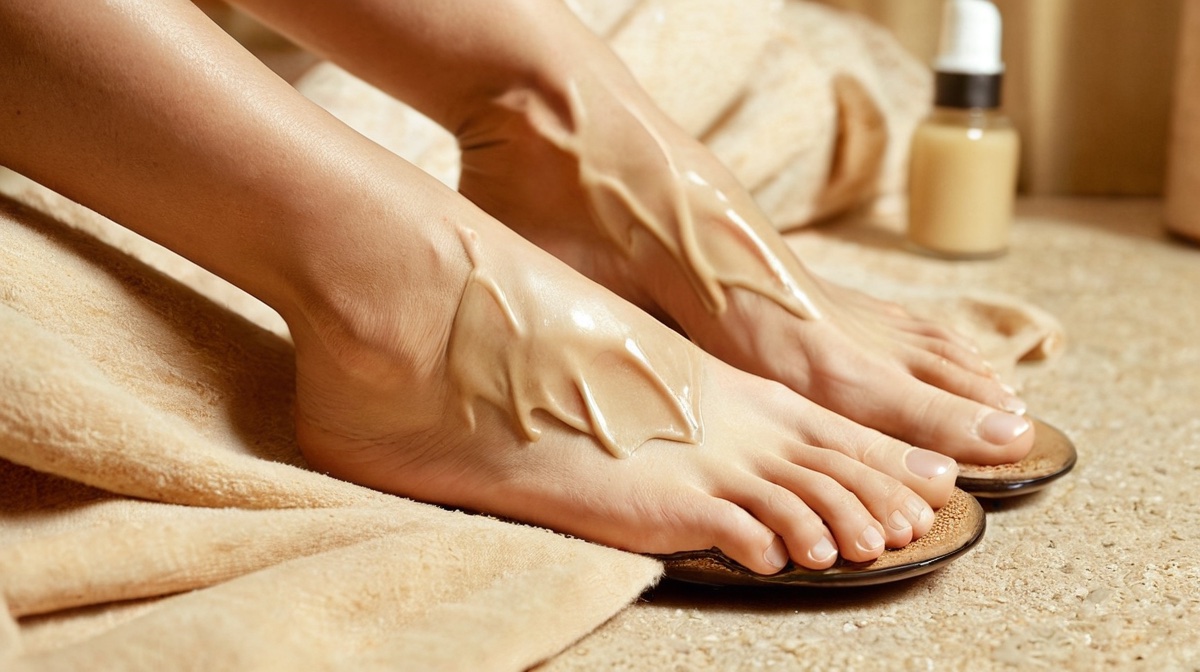
For stubborn heels, the overnight method is a quiet hero. After your evening wash, slather on a thick balm or a foot cream, then pull on a pair of clean cotton socks and head to bed. The socks keep the cream working and stop it rubbing off on the sheets.
Do this a few nights in a row and rough heels soften noticeably. Creams with ingredients like urea or shea are especially good for this. It is a lovely, low-effort habit, and our guide to keeping feet soft and smooth shows how to make the results last.
What to avoid
A few things do more harm than good. Please skip razors and metal shavers, because it is genuinely easy to take off too much and end up with a cut that gets infected. Very hot water dries skin out, and aggressive scrubbing can leave heels sore and worse than before.
Go gently and let time do the work. Softening feet is a steady habit rather than a one-off blitz, and the gentle approach gives better, longer-lasting results anyway. Making it part of a fuller routine helps too, as our foot care basics guide explains.
Building softness that lasts

Softening rough feet once is easy, and keeping them soft is really about rhythm. A little care often beats a big effort now and then, because you never let hard skin build up to the point where it cracks or catches. A daily smear of moisturiser and a gentle weekly smooth will do more over a month than any single dramatic session.
The habit is easiest when you attach it to something you already do. Keep a foot cream by the bed and use it while you wind down, or moisturise straight after your evening shower while the skin is still slightly damp and drinks it in. Pairing a new habit with an old one helps it stick.
What you wear plays a quiet part too. Breathable socks and comfortable, well-fitting shoes reduce the rubbing that thickens skin in the first place, while open-back styles and long barefoot spells on hard floors can dry heels out. Small adjustments there mean your softening routine has far less to fight against, and smooth, comfortable feet start to feel like the normal state rather than a treat.
When rough skin needs a professional
Most rough feet respond happily to soaking, gentle smoothing, and daily cream. Some signs, though, mean it is time to stop the home routine and get proper care. This is general guidance rather than medical advice.
See a podiatrist if heels are deeply cracked, bleeding, or painful, if hard skin is thick and splitting, or if you notice any sign of infection. If you have diabetes or reduced sensation in your feet, be extra cautious and get professional checks rather than filing at home. Small problems there can turn serious quietly, so asking early is the kind and sensible choice. For everyday roughness, the care board in the Club is a friendly place to compare notes.
Questions people ask
How can I soften rough feet fast?
Soak for ten to fifteen minutes, smooth gently with a foot file on damp skin, then apply a thick balm and cotton socks overnight. You will feel a real difference by morning, though lasting softness comes from a regular habit.
Why do my heels get so rough and hard?
Heels build hard skin because they carry your weight and rub inside shoes. Dry air, open-back shoes, and skipping moisturiser all add to it. A little hardness is normal and even protective.
What should I avoid when softening rough feet?
Avoid razors and metal shavers, very hot water, and hard scrubbing, all of which can damage skin. If heels are painfully cracked, bleeding, or splitting deeply, see a podiatrist rather than treating it at home.
More on Foot care & pedicure
-
Foot care basics: a simple at-home routine for softer, happier feet
A friendly, non-explicit foot care routine you can do at home: washing, softening rough skin, trimming nails safely, and moisturising. Plus the signs that mean you should see a podiatrist.
-
How to do an at-home pedicure: a simple, step-by-step routine
A simple, friendly at home pedicure routine: soak, trim, smooth, and polish for softer, happier feet, plus safety steps and when to see a professional instead.
-
How to keep feet soft and smooth between pedicures
A friendly guide on how to keep feet soft between pedicures: daily moisturising, gentle smoothing, sock tricks, and habits for lasting comfort and smoothness.
Take it past the page
Guides give you the method. People give you the reassurance and the small tips: what worked for them, and how they got comfortable with it. The Club is full of them.
Find your people →