How to do an at-home pedicure: a simple, step-by-step routine
A good at-home pedicure follows a simple order: soak, dry well, trim nails straight across, gently smooth rough skin, ease back cuticles, moisturise, then polish if you like. Keep tools clean, skip blades, and see a podiatrist for anything painful or infected.
An at-home pedicure is one of the easiest, most satisfying bits of self-care there is, and it costs far less than a salon. With a simple order of steps you can leave your feet soft, tidy, and comfortable in well under an hour. Here is the friendly version: what to gather, the routine step by step, how to keep it safe, and when a sore foot means a professional instead.
What you will need
Nothing fancy is required. A basin or bath for soaking, a towel, nail clippers, a nail file, a foot file or pumice, a cuticle stick, and a good moisturiser cover the basics. Add a base coat, colour, and top coat if you want polish, plus some cotton wool and remover.
Wash your tools before and after, and keep them for your own feet only. Clean kit is the single simplest way to avoid the small infections that make pedicures go wrong.
Step by step
Start with a soak. Ten to fifteen minutes in warm water softens skin and nails and feels wonderful after a long day, and a little Epsom salt is a nice optional touch. Our dedicated foot soak and scrub guide has more if you want to make a treat of it. Dry thoroughly afterwards, especially between the toes.
Next, trim your nails straight across and leave the corners slightly proud, then run a file over the edges to smooth them. Ease your cuticles back gently with the stick rather than cutting them. Now smooth any rough skin on the heels and balls with a foot file on damp skin, working lightly, and our how to soften rough feet guide goes deeper on this. Finish the care part by massaging in a generous moisturiser.
If you are polishing, wait until the cream has absorbed, then wipe the nails clean. Apply a base coat, two thin colour coats, and a top coat, letting each dry before the next.
Keep it safe
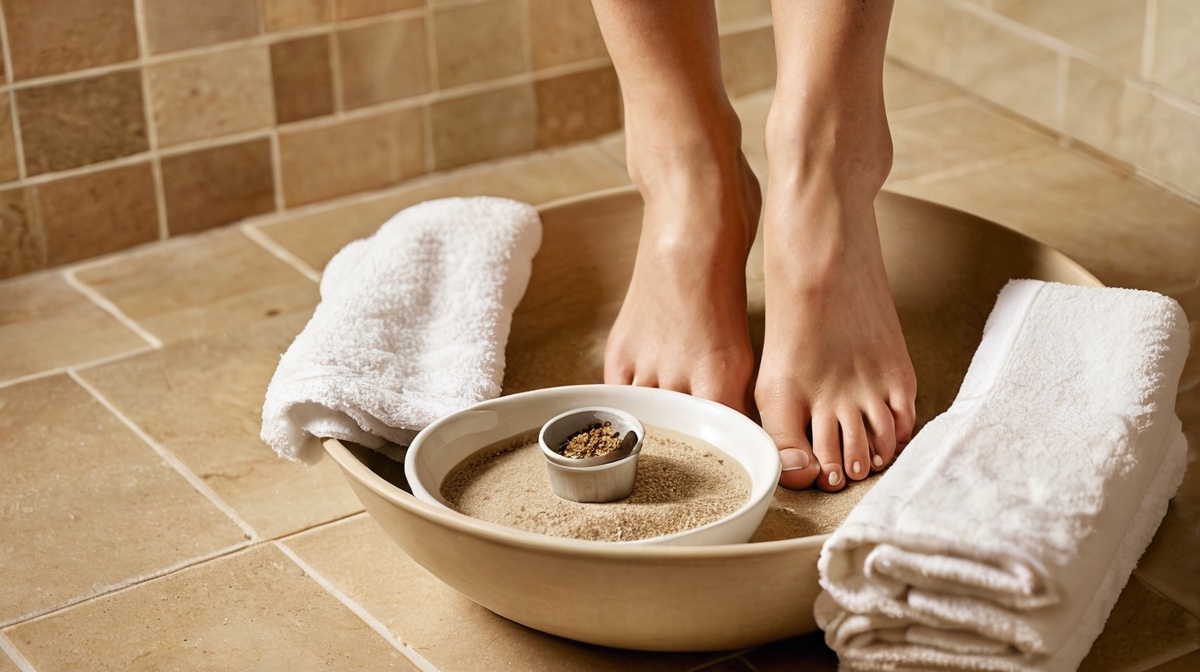
A few small habits keep everything pleasant. Please leave razors and metal shavers out of it, because they make it far too easy to cut yourself, and a cut on the foot can get infected. A file or pumice, used gently on damp skin, does the job safely.
Do not cut nails too short or dig into the corners, since that is a common cause of ingrown toenails. Go easy on the cuticles, which are there to protect you. If anything is painful, bleeding, or looks off, stop and give it time.
How often to do it
For most people a full pedicure every two to four weeks keeps feet looking and feeling great, with a daily moisturise filling the gaps. If your feet take a lot of standing or walking, you might smooth rough skin a little more often. Keeping a light routine going between pedicures makes each one quicker, and our guide to keeping feet soft and smooth shows how.
Little touches that lift the results
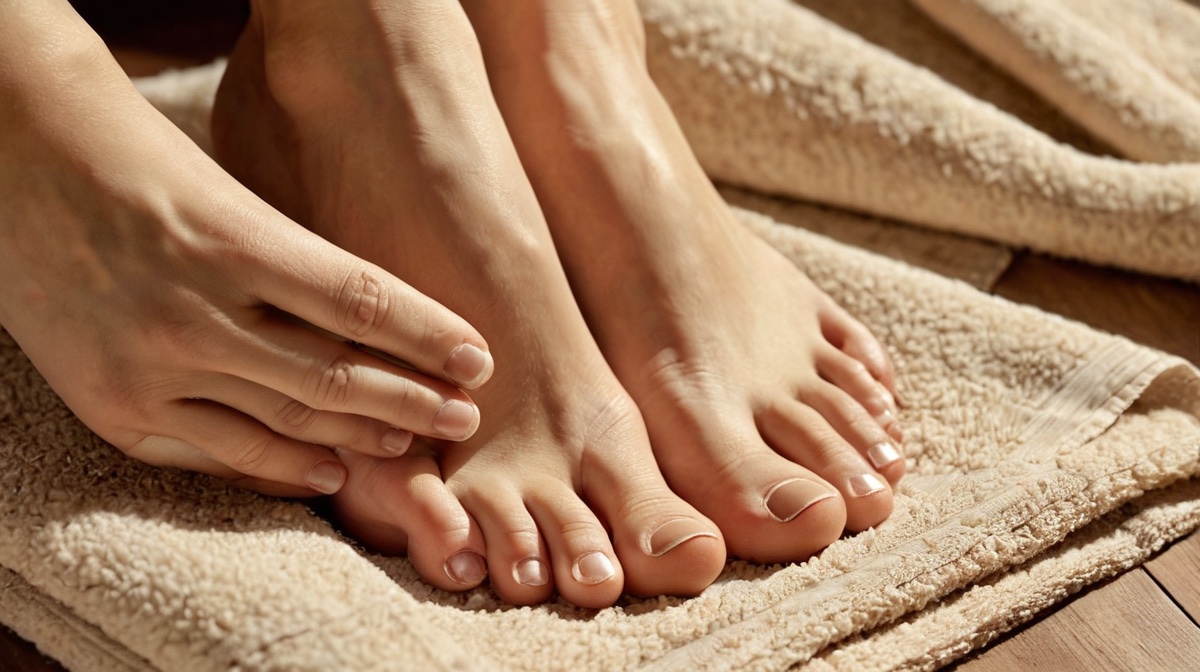
A few small habits turn a decent home pedicure into a really satisfying one. Warm the room and gather everything before you start, so you are not hunting for the cuticle stick with wet feet. A folded towel under your heels and a comfy seat make the whole thing more relaxing, which is half the point.
When you file rough skin, work on slightly damp feet and keep your strokes light and patient, checking often so you smooth rather than overdo it. If you are painting your nails, thin coats beat thick ones every time, drying faster and chipping less. A little cuticle oil at the end adds a healthy shine and a professional finish.
It also helps to make the whole thing enjoyable. A cup of tea, some music, and an unhurried half hour turn maintenance into a genuine treat, which makes you far more likely to keep it up. A pedicure you look forward to is one that actually happens, and regular, gentle care keeps feet looking cared for far better than the occasional rushed blitz ever could.
Aftercare and when to see a professional
Right after, slip on clean cotton socks to lock in the moisture, and if you painted your nails give them plenty of time to set fully. A rich balm and socks overnight work wonders on stubborn dry heels.
This is friendly general guidance rather than medical advice. See a podiatrist or your doctor for foot pain that will not settle, a cut or sore that will not heal, a nail that is thick, discoloured, or ingrown, or any foot concern if you have diabetes or circulation issues. For the everyday soak-and-smooth, though, your bathroom is all the salon you need. If you hit a snag, the care board in the Club is a friendly place to ask.
Questions people ask
How long does an at-home pedicure take?
About thirty to forty-five minutes at an unhurried pace, plus drying time if you paint your nails. A quick refresh without polish can be done in around fifteen minutes once you have the routine down.
How often should I do a pedicure at home?
Every two to four weeks suits most people, with a daily moisturise in between. Feet that do a lot of standing or walking may like the shorter end of that range.
Is it safe to cut my own cuticles?
It is safer to soften and gently push them back rather than cut them, since cutting can lead to nicks and infection. Leave stubborn or sore cuticles alone and mention them to a podiatrist if they bother you.
More on Foot care & pedicure
-
Foot care basics: a simple at-home routine for softer, happier feet
A friendly, non-explicit foot care routine you can do at home: washing, softening rough skin, trimming nails safely, and moisturising. Plus the signs that mean you should see a podiatrist.
-
How to soften rough feet: a gentle routine for smoother heels
A practical, non-explicit guide on how to soften rough feet at home: gentle filing, soaking, rich creams, and overnight tricks for smoother heels and soles.
-
How to keep feet soft and smooth between pedicures
A friendly guide on how to keep feet soft between pedicures: daily moisturising, gentle smoothing, sock tricks, and habits for lasting comfort and smoothness.
Take it past the page
Guides give you the method. People give you the reassurance and the small tips: what worked for them, and how they got comfortable with it. The Club is full of them.
Find your people →