Common foot problems and gentle home care that helps
Common foot problems include dry or cracked heels, calluses and corns, blisters, athlete's foot, and ingrown toenails. Many ease with gentle home care, but this is general information, not medical advice, so see a podiatrist or doctor for pain, infection, or diabetes-related concerns.
Most feet run into a few familiar niggles over a lifetime, and the majority are minor and manageable. Knowing what the common foot problems look like, and which respond to gentle home care, takes a lot of the worry out of them. Here is a plain-language tour of the usual suspects, with kind at-home tips and clear signs that mean it is time to see a professional.
A quick, friendly caution
Before we start, one important note. This is general information from people who care about feet, not medical advice, and it is no substitute for seeing a qualified professional. Feet are easy to underestimate, and a problem that seems small can occasionally be a sign of something that needs proper attention.
So use the home tips below for mild, everyday issues, and lean on the section at the end for the signs that mean you should book an appointment instead.
Dry and cracked heels
This is the most common complaint of all. Heels build hard skin from carrying your weight, and when that skin dries out it can crack. Mild cases respond well to a regular routine of soaking, gentle smoothing, and daily moisturising, which our how to soften rough feet guide covers in full.
A rich balm and cotton socks overnight work wonders. If cracks are deep, painful, or bleeding, though, that is one to show a podiatrist rather than treat at home.
Calluses and corns
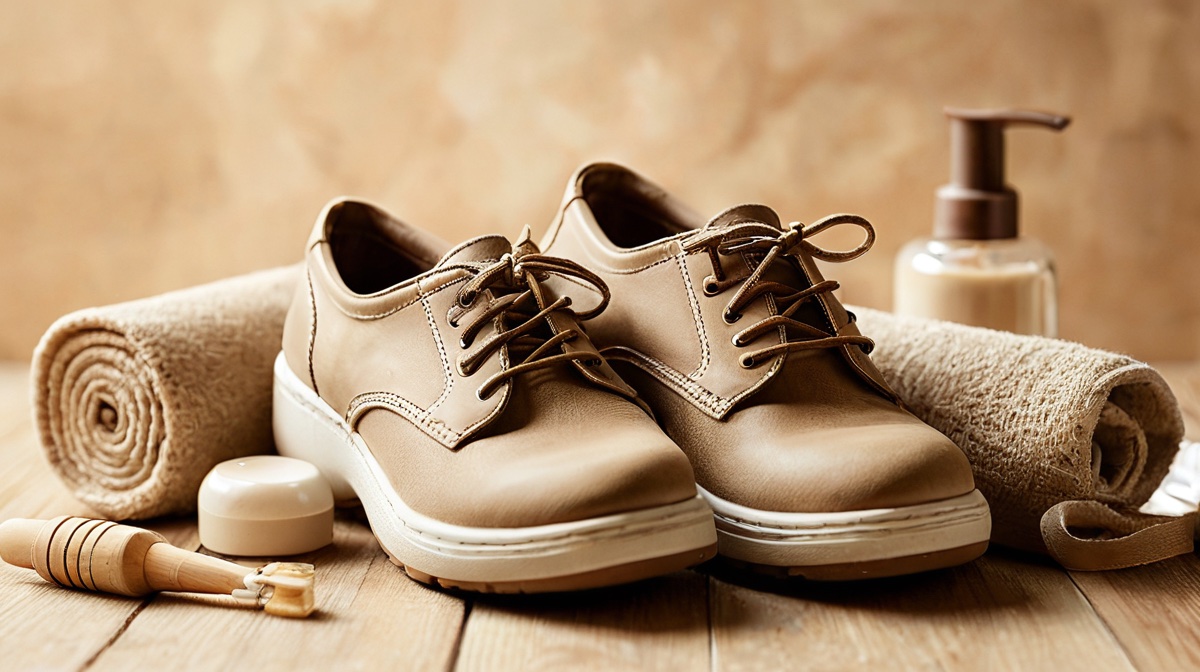
Calluses are patches of thickened skin, and corns are smaller, more focused versions that often form on or between the toes from pressure and rubbing. A little hard skin is normal and protective. When it gets uncomfortable, gentle filing on damp skin and well-fitting shoes usually help.
Please leave blades and medicated corn removers out of it unless a professional has advised them, as they can cause more harm than good. Poorly fitting shoes are a frequent cause, so our best shoes for foot health guide is worth a look.
Blisters and athlete’s foot
Blisters come from friction, often new or ill-fitting shoes. It is best to leave a blister intact to protect the skin underneath, cover it gently, and let it heal. Prevention is easier than cure, so comfortable shoes and clean, dry socks go a long way.
Athlete’s foot is a common fungal infection that makes skin itchy, flaky, or sore, often between the toes. Keeping feet clean and thoroughly dry helps prevent it, and pharmacies stock treatments for mild cases. If it spreads or will not clear, see a professional.
Ingrown toenails
An ingrown toenail happens when the nail grows into the surrounding skin, causing pain, redness, and sometimes infection. Cutting nails straight across, rather than digging into the corners, is the best prevention, as our foot care basics guide explains.
If a nail is already ingrown and sore, do not try to dig it out yourself, since that often makes things worse. This is a job for a podiatrist, who can sort it safely.
A little everyday prevention
Most of these common niggles are far easier to prevent than to treat, and the prevention is pleasant. Clean, dry feet are the foundation, so wash daily, dry carefully between the toes, and moisturise to keep skin supple and less prone to cracking. That single routine heads off a surprising share of everyday trouble.
Footwear does a lot of quiet work too. Comfortable, well-fitting shoes with room for your toes reduce the rubbing and pressure behind blisters, calluses, and corns, while clean, breathable socks help keep at bay the damp conditions that fungal problems love. Rotating a couple of pairs of shoes lets each dry fully between wears.
A quick weekly glance at your feet rounds it off. Noticing a new rough patch, a tender toenail, or a small change early means you can deal with it while it is still minor, rather than waiting until it becomes sore or stubborn. Prevention like this is gentle, low-effort, and genuinely effective, and it means the section below, on getting professional help, comes into play far less often. When something does slip past it, though, the guidance there is your next step.
When to see a professional
Home care suits mild, everyday issues. Some signs, though, mean you should stop and get proper help. See a podiatrist or your doctor for foot pain that will not settle, a cut, sore, or blister that will not heal, numbness or tingling, sudden swelling or redness that feels hot, or a toenail that looks infected or ingrown.
If you have diabetes or any condition affecting circulation or sensation in your feet, be extra careful and get regular professional checks, because small problems can turn serious quietly. Our guide on when to see a podiatrist goes into more detail, and the care board in the Club is a friendly place to ask about the everyday stuff. Nothing here replaces proper medical advice.
Questions people ask
What are the most common foot problems?
Dry or cracked heels, calluses and corns, blisters, athlete's foot, and ingrown toenails are among the most common. Most are minor and respond to gentle care, but some need a professional, especially if painful or infected.
Can I treat foot problems at home?
Mild issues like dry skin or a small callus often improve with gentle home care. Anything painful, spreading, infected, or not healing should be seen by a podiatrist or doctor. This page is general information, not medical advice.
When is a foot problem serious?
Treat it as serious if there is significant pain, swelling that feels hot, a wound that will not heal, numbness, or any foot concern when you have diabetes. In those cases, see a podiatrist or doctor promptly rather than waiting.
Take it past the page
Guides give you the method. People give you the reassurance and the small tips: what worked for them, and how they got comfortable with it. The Club is full of them.
Find your people →