Foot health basics: everyday habits for comfortable, happy feet
Foot health basics come down to daily washing and drying, moisturising, well-fitting shoes, clean socks, gentle movement, and noticing changes early. This is general guidance, not medical advice; see a podiatrist or doctor for pain, numbness, or diabetes-related issues.
Feet carry us through the day and ask for surprisingly little in return. A handful of simple habits keeps them comfortable, healthy, and nice to look at, and none of it takes much time. Here are the foot health basics in a friendly, practical form: everyday care, movement, the warning signs to watch, and when home habits should give way to a professional’s advice.
A friendly caution first
One thing to say up front. This is general wellness information from people who love feet, not medical advice, and it does not replace a qualified professional. Healthy habits prevent a lot of trouble, but they are not a diagnosis.
If something hurts, worries you, or will not settle, treat the section at the end as your cue to get proper help rather than pressing on alone.
Everyday hygiene
The foundation is clean, dry feet. Wash them daily with warm water and a mild soap, getting between the toes rather than just over the top, then dry just as carefully, especially between the toes where damp likes to sit. Skin that stays wet there is where a lot of small problems begin.
Moisturise once a day to keep skin supple, going easy right between the toes. Trim toenails straight across and smooth the edges with a file, which helps prevent ingrown nails. Our foot care basics guide walks through the full routine if you want the details.
Shoes and socks that help
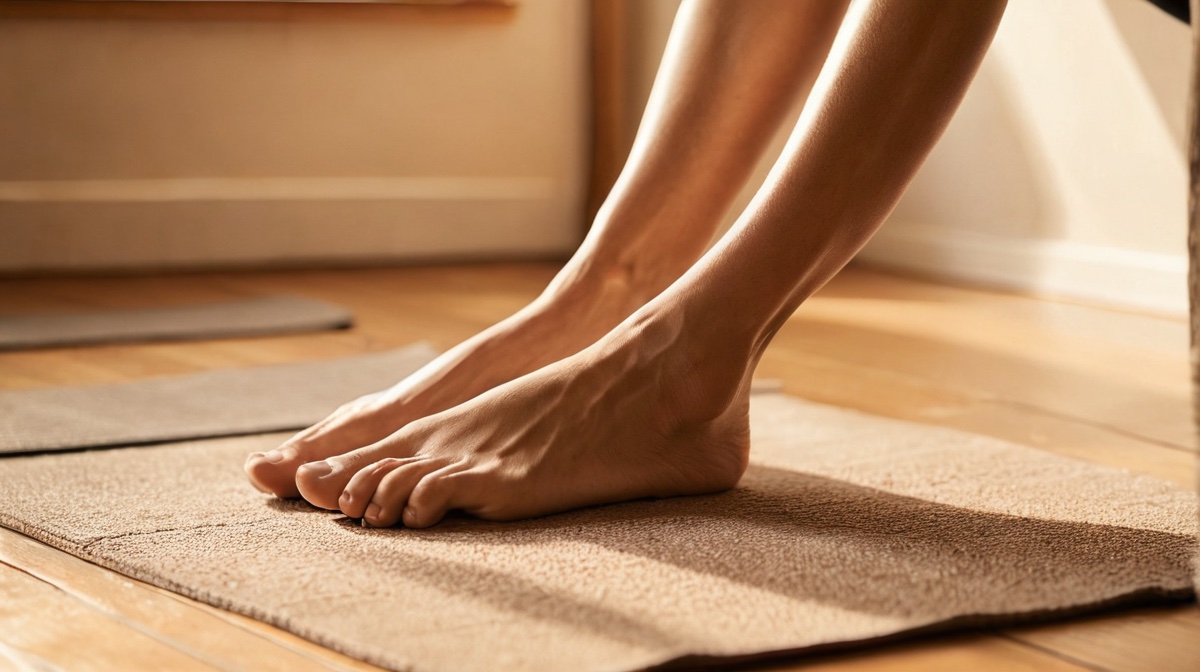
What your feet spend the day inside matters enormously. Choose shoes that fit properly, with room to wiggle your toes, decent support, and breathable materials. Tight or hard shoes cause blisters, calluses, and worse over time, while well-chosen pairs quietly prevent all of that. Our guide to the best shoes for foot health covers exactly what to look for.
Wear clean, breathable socks and change them daily, or sooner if they get damp. Rotating between a couple of pairs of shoes lets each dry out fully between wears, which is better for both the shoes and your skin.
Move and stretch
Feet are full of small joints and muscles that like to be used. A little gentle movement keeps them strong and mobile. Simple toe stretches, rolling a foot over a small ball, ankle circles, and rising onto your toes a few times are all easy to fit into a day.
Walking is wonderful for feet too. If you enjoy going without shoes, doing so safely on soft, familiar surfaces can feel lovely, and our guide to being barefoot and grounding has gentle pointers. Ease into anything new gradually.
Watch for changes
A quick habit that pays off is simply paying attention. When you moisturise, glance over your feet for anything new, such as a sore that is not healing, a change in a toenail, unusual swelling, or a patch of skin that looks different. Catching things early makes them far easier to deal with.
This matters even more if you have any condition affecting your feet. Noticing a small change and acting on it is one of the kindest things you can do for yourself.
Small routines that add up
Good foot health is really a collection of tiny habits rather than any single big effort, and the tiny habits are easy to live with. A daily wash and dry, a smear of moisturiser, clean socks, and a quick glance for anything new take a couple of minutes between them and prevent a great deal of bother.
It helps to tie these to things you already do. Dry carefully between your toes every time you get out of the shower, moisturise while you brush your teeth, and check your feet over as you do it. Attaching new habits to established ones is the surest way to make them stick without any willpower.
Rest and variety matter as well. Giving your feet a break from tight shoes, alternating pairs so each can air out, and putting your feet up at the end of a long day all help them recover. Comfortable feet are usually the result of many small kindnesses rather than one grand gesture. Keep the routine light and forgiving, and it will quietly look after you for years, with the professional support below reserved for anything the everyday habits cannot handle.
Getting proper help
Most feet stay happy on good habits alone. Some signs, though, mean it is time for a professional. See a podiatrist or your doctor for foot pain that will not settle, numbness or pins and needles, a cut or sore that will not heal, sudden hot swelling, or a toenail that looks infected or ingrown.
If you have diabetes or reduced circulation or sensation in your feet, be extra careful and get regular professional checks, because problems can develop quietly. Our companion guides on common foot problems and when to see a podiatrist go further, and the care board in the Club is a friendly place for everyday questions. None of this replaces medical advice.
Questions people ask
What are the basics of good foot health?
Wash and dry feet daily, moisturise, wear clean socks and well-fitting shoes, keep nails trimmed straight across, move and stretch your feet, and watch for changes. Simple, consistent habits keep most feet comfortable.
How can I keep my feet healthy day to day?
Rotate comfortable shoes, change socks daily, dry carefully between the toes, and give your feet a quick check when you moisturise. Small daily habits prevent most everyday foot trouble before it starts.
When should foot health be checked by a professional?
See a podiatrist or doctor for lasting pain, numbness or tingling, wounds that will not heal, or any foot concern if you have diabetes or circulation problems. This page is general guidance, not medical advice.
More on Foot health
-
Common foot problems and gentle home care that helps
A plain-language look at common foot problems like dry heels, calluses, blisters, and ingrown nails, with gentle home care tips and signs to see a podiatrist.
-
When to see a podiatrist: the foot symptoms worth checking
Not sure when to see a podiatrist? A clear, reassuring guide to foot symptoms worth checking, what a visit involves, and why acting early is the kind choice.
Take it past the page
Guides give you the method. People give you the reassurance and the small tips: what worked for them, and how they got comfortable with it. The Club is full of them.
Find your people →